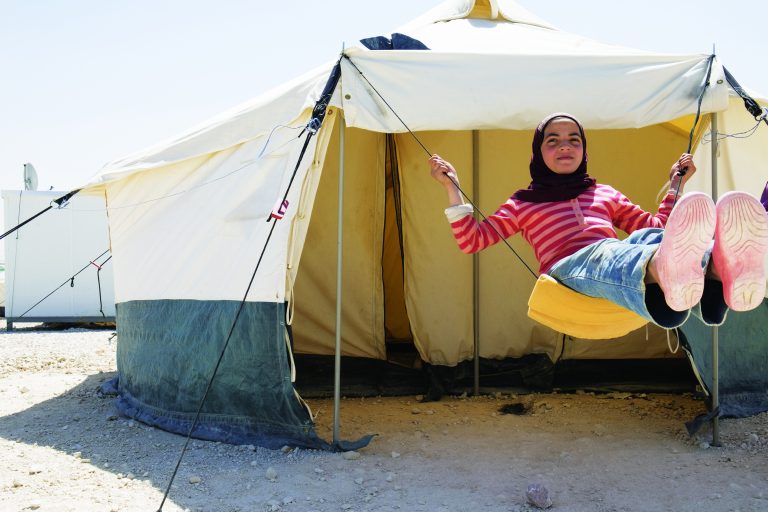
Located in the heart of the Middle East and independent since 1948, Jordan has a recent history of rapid population growth due to regional crises and subsequent movements of people. The country has in fact welcomed people fleeing the Lebanese civil war, Iraqis seeking refuge after the Gulf War and Iraq War, and a large number of Palestinians coming from the West Bank and Gaza Strip. Since March 2011, with the exacerbation of the Syrian crisis, unprecedented numbers of migrants from Syria have arrived in Jordan.
Although not a signatory to the 1951 Convention relating to the status of refugees, Jordan has accepted a number of migrants that, to date, represents almost 30% of the total population.
The International Cooperation strategies in Jordan prior to 2011, with the exception of the Palestinian issue, were characterized by strictly socio-economic interventions.
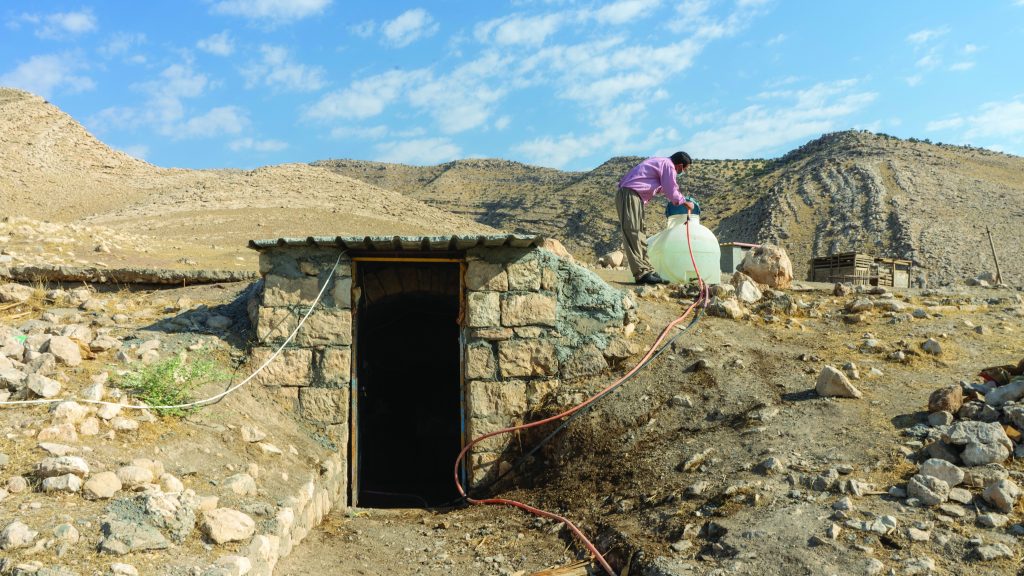
Started in 2011, the Syrian crisis has had significant repercussions on the socio-economic stability and security of Jordan, which add to the already present need to implement political-social reforms aimed at improving the economic condition of the country. The massive influx of Syrian refugees, to whom access to public services has been granted (although with some limitations) on a par with the local population, has put a strain on the ability of the country to maintain a qualitatively and quantitatively adequate level of services to the citizens. In particular, there has been competition on the informal and unskilled labour market and on the use of water, which is an already scarce commodity in Jordan.
The economic burden on the public balance derived from the increased demand for services is quantified by the Jordanian government at USD 10.288 billion from 2011 to 2016. However, domestic markets have reacted quite well to the increase in demand for primary goods, whose prices have not significantly increased in the last 4 years – except for housing and bread prices.
The International Monetary Fund estimates that 26% of the Jordanian economy is informal. It is estimated that the consumption of the already scarce water resources has increased up to 40% in the areas of greatest concentration of the Syrian refugee population.
Despite the generous influx of money made available by the international community in the form of humanitarian aid and development aid, more than 80% of Syrian refugees living in urban and rural settings continue to live below the poverty line; 39% have no access to sufficient quantities of food (and are therefore classified as food insecure) and a further 26% are at risk of being in a state of food insecurity. Child labour has doubled compared to 2007 and involves almost 70,000 children, mostly Syrians, 64% of whom are employed in potentially dangerous conditions and at risk of abuse, while 28% of them are under the age of 14.
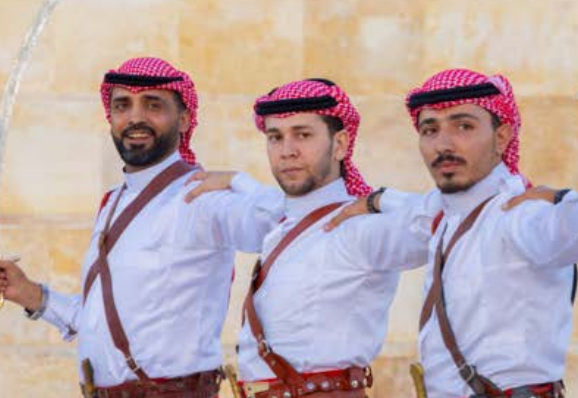
Tourism is one of the country’s leading economic sectors, and has excellent growth potential. Nevertheless, the investments of the Jordanian Government have focused above all on improving infrastructure, promotion and services, and to a lesser extent on the conservation and enhancement of cultural heritage.